
Auto Injury and Whiplash Care in Redmond, WA
Gentle NUCCA upper cervical care after car accidents. No twisting, no cracking. We work with personal injury (PIP) claims.
Book a New Patient Appointment Call (425) 437-9974
Free consultation. Exam and x-rays are separate services with their own fees.
Reviewed by Dr. Justin Schallmann, DC, NUCCA Part 2 Certified · Updated November 2026
Whiplash is one of the most common injuries after auto accidents, and it can be easy to overlook. Even low-speed collisions with little visible vehicle damage can lead to headaches, neck pain, dizziness and trouble concentrating that sometimes last for months. NUCCA is a gentle approach to the upper neck with no twisting or cracking. After you've had appropriate medical evaluation, it may be one useful part of your recovery when the upper neck is involved.
What Is Whiplash?
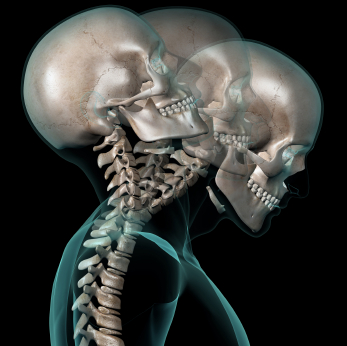
Whiplash is a soft tissue injury of the neck caused by rapid acceleration-deceleration forces — most commonly from rear-end auto accidents, but also from falls, sports impacts, and physical assault. The clinical term is Cervical Acceleration-Deceleration (CAD) injury, and the resulting symptoms are collectively called Whiplash-Associated Disorder (WAD).
The injury mechanism involves two distinct phases:
- Hyperextension phase: At impact, the body is thrown forward while the head lags behind, forcing the neck into extreme backward extension
- Hyperflexion phase: The head then whips forward, forcing the neck into extreme forward flexion
This whipping motion occurs faster than the neck muscles can contract to stabilize the cervical spine, producing stretching, tearing, and strain of ligaments, muscles, tendons, discs, and facet joint capsules. The upper cervical region (atlas/C1 and axis/C2) is particularly vulnerable because it supports the full weight of the head and relies heavily on ligamentous stability.
Neck injuries can happen even in low-speed collisions, so a lack of vehicle damage doesn't rule out injury.
Common Symptoms of Whiplash
Whiplash symptoms often develop gradually over the first 24-72 hours after the accident, which is one reason post-accident evaluation is so important. Common presentations include:
- Neck pain and stiffness (most common — present in 90%+ of cases)
- Headaches, often starting at the base of the skull (sharp, shooting pain there may be occipital neuralgia)
- Reduced neck range of motion
- Shoulder and upper back pain
- Jaw pain or TMJ dysfunction
- Dizziness or vertigo (often cervicogenic dizziness after whiplash)
- Ringing in the ears (tinnitus)
- Blurred vision
- Fatigue
- Difficulty concentrating or "brain fog"
- Memory problems
- Sleep disturbance
- Numbness or tingling in the arms or hands
- Irritability or mood changes
- Anxiety related to driving
Many patients experience symptoms beyond neck pain — including cognitive, vestibular, and emotional symptoms — that aren't always recognized as related to the accident. If you have any of these symptoms after an accident, get them evaluated.
When to Seek Immediate Medical Care
While most whiplash is a soft tissue injury appropriate for conservative care, certain symptoms indicate potentially serious injury requiring emergency evaluation:
- Severe headache that is sudden, "worst of your life," or progressively worsening — possible intracranial bleeding, call 911
- Loss of consciousness at the time of the accident or any time after — possible concussion/TBI, requires medical evaluation
- Progressive weakness, numbness, or difficulty walking — possible spinal cord involvement, go to ER
- Loss of bladder or bowel control — possible cauda equina or spinal cord injury, go to ER immediately
- Severe neck pain with high-energy mechanism (highway speeds, rollover, ejection) — go to ER for cervical spine imaging to rule out fracture
- Confusion, repeated vomiting, or seizure — go to ER for TBI evaluation
If any of these are present, go to the emergency room first for medical evaluation. Chiropractic care comes AFTER serious injuries have been ruled out.
Why Whiplash Can Be Overlooked
Several things can make whiplash easy to miss:
- Delayed symptom onset: Symptoms often develop 24-72 hours post-accident, after the initial ER visit cleared the patient
- Normal imaging: Standard X-rays and even MRI frequently appear "normal" because they don't show soft tissue strain well
- Low-speed dismissal: Low-speed accidents are often assumed to be minor, but injury can happen without visible vehicle damage
- Pain that resolves then returns: Initial pain often subsides over the first few weeks, giving a false impression of recovery, and some people have symptoms that return later
- Non-musculoskeletal symptoms missed: Dizziness, cognitive symptoms, and TMJ pain are often not connected to the accident by the patient or providers
The Upper Cervical Connection to Whiplash
The upper cervical spine — the atlas (C1) and axis (C2) vertebrae — is uniquely vulnerable in whiplash because of its anatomy. Unlike the rest of the spine, the upper cervical joints have minimal bony stability and rely primarily on ligaments (alar, transverse, accessory, tectorial membrane) for stability. The whipping forces of CAD injury directly stress these ligaments.
When upper neck problems persist after whiplash, they may contribute to symptoms such as — headaches (via trigeminocervical convergence), dizziness (via cervical proprioception, called cervicogenic dizziness), TMJ pain (via trigeminal nerve involvement), and ongoing neck pain. This is a reasoned explanation rather than a proven one.
NUCCA uses upper cervical x-rays taken specifically to measure the position of the head and upper neck, which is different from the imaging usually done after an accident.
How NUCCA Care Works
After whiplash, the neck's tissues are already injured, stretched and inflamed, so a gentle approach matters. NUCCA uses light, controlled pressure with no rotation or thrust (see Gentle Chiropractic):
No twisting
No rotation of the neck.
No cracking
No popping or forceful thrust.
Measured first
Upper cervical x-rays measure the direction and amount of misalignment.
Gentle contact
Light, controlled pressure behind the ear.
What to Expect
Free consultation, then Visits 1 and 2
Every new patient starts with a free consultation to review your accident, symptoms and any medical care so far. The examination and x-rays are not part of the consultation; they are separate services with their own fees, and we'll explain all costs before anything is done. If you move forward, Visit 1 (about an hour) includes a posture assessment and upper cervical x-rays. Visit 2 (about an hour) reviews your findings and, if NUCCA is a good fit, includes your first correction.
Follow-up visits
Follow-up visits take about 15 minutes. We check your posture and only correct your alignment when the checks show it's needed.
Reassessment
Visits usually spread out as your alignment holds. If we're not seeing meaningful improvement, we'll tell you and discuss whether to continue, change the plan or refer you to another provider. Some patients choose periodic check-ups afterward.
When You May Need Other Providers
Whiplash recovery often benefits from a multidisciplinary approach. Depending on your presentation, you may also benefit from:
- Primary care physician — overall post-accident coordination and documentation
- Neurologist — if post-concussion symptoms, cognitive issues, or persistent headaches are present
- Physical therapist — for structured strengthening and mobility programs, particularly in later recovery phases
- Vestibular therapist — if dizziness or balance issues persist
- Pain management specialist — if medications or injections are needed for symptom control
- Mental health provider — PTSD related to the accident is common and treatable; don't ignore the psychological dimension
- TMJ-focused dentist — if jaw symptoms persist (TMD is common post-whiplash)
- Orthopedic spine specialist — if structural injury is suspected or conservative care isn't producing adequate improvement
- Attorney — if the accident was not your fault and significant injury has occurred; legal consultation is appropriate for protecting your rights
When NUCCA May Not Be the Right Fit
NUCCA is not the right initial approach for:
- Acute cervical fracture or dislocation (medical/surgical evaluation first)
- Suspected spinal cord injury (ER evaluation first)
- Severe traumatic brain injury (neurology/trauma evaluation first)
- Acute vertebral artery dissection symptoms (medical emergency)
- Severe acute pain requiring immediate pharmacological management
- Cases where conservative care has been thoroughly exhausted and surgical consultation is appropriate
We screen every patient during the initial evaluation. If NUCCA isn't the right fit for your specific presentation, we'll tell you directly and help point you toward appropriate care.
Insurance and PIP Coverage
If you've been in an auto accident, your Personal Injury Protection (PIP) coverage typically covers chiropractic care related to accident injuries — regardless of who was at fault. PIP is included in most Washington State auto insurance policies.
For PIP cases, we handle all billing and documentation directly with your auto insurance carrier. What we need from you:
- Your auto insurance information (policy number and claim number)
- Insurance adjuster's name and contact information
- Police report (if available)
- Date of accident and brief description
See our Insurance page for more details on PIP, L&I, and other coverage options.
What the Research Shows
Research on whiplash describes how common long-lasting symptoms can be after neck injuries.
Buskila D, Neumann L, Vaisberg G, et al. (1997)
"Increased rates of fibromyalgia following cervical spine injury: a controlled study of 161 cases of traumatic injury." Arthritis & Rheumatism, 40(3):446-452.
Found fibromyalgia was much more common after neck injuries than after leg injuries in this group of patients. It shows an association, not that the neck injury caused fibromyalgia. Reference: PMID 9082932.
No controlled trials have tested NUCCA for whiplash. Our approach to the upper neck after an injury is based on a reasoned rationale, not on proven results.
Frequently Asked Questions
I was in a minor fender-bender with no vehicle damage. Can I still have whiplash?
Yes. Neck injuries can happen in low-speed collisions, and a lack of vehicle damage doesn't rule out injury. If you're experiencing any symptoms following even a minor accident, evaluation is worthwhile.
I don't have pain yet, but I was in an accident a few days ago. Should I still get evaluated?
Yes. Whiplash symptoms often develop gradually over 24-72 hours as the inflammatory response develops and compensation patterns emerge. Getting evaluated early, starting with your physician, documents your injuries for insurance purposes and gets care started if you need it.
How does NUCCA work for whiplash?
NUCCA uses upper cervical x-rays to measure the position of the head and upper neck, then applies light, controlled pressure behind the ear, with no twisting, no cracking and no forceful thrust. Learn more about gentle chiropractic.
Will my PIP insurance cover this care?
Often, yes. Washington auto policies usually include PIP coverage, which can pay for necessary medical care, including chiropractic, after an accident regardless of fault. Coverage limits vary by policy. We bill PIP directly and verify your coverage before beginning care.
I've already been to an ER and they said I was fine. Do I still need chiropractic evaluation?
ER evaluation rules out serious acute injury — fracture, dislocation, bleeding, spinal cord injury. It doesn't rule out whiplash-associated disorder, which often develops after the ER visit. If symptoms develop or continue after the ER visit, follow up with your physician, and a NUCCA evaluation may be worthwhile.
How long will whiplash take to recover?
Recovery timelines vary widely. Many people improve within a few months, while some have symptoms that last longer. We track your posture measurements and symptoms and discuss progress openly.
Could my ongoing symptoms be post-concussion rather than whiplash?
They could be both. Concussion and whiplash frequently coexist following auto accidents because the same mechanism that whips the neck also shakes the brain. Our evaluation addresses the cervical component; if concussion symptoms are present, we coordinate with neurology or appropriate specialists for the brain-based component. See our Post-Concussion Syndrome page for more.
I was in an accident years ago but still have symptoms. Can NUCCA help now?
Possibly. Long-lasting symptoms after whiplash sometimes involve the upper neck. Older injuries usually take longer to change than recent ones, and results vary. Your consultation and exam will help show whether NUCCA is likely to help.
Should I be seeing an attorney?
If you were injured in an accident that was not your fault, legal consultation is reasonable for protecting your rights. We don't provide legal advice, but we do work with attorneys on PIP and third-party liability cases and can provide necessary documentation. Several reputable local personal injury attorneys handle auto accident cases.
Will I need imaging done?
Yes. Upper cervical x-rays are part of a NUCCA evaluation. They measure the position of the head and upper neck and are different from the x-rays or MRI you may have had after the accident. The exam and x-rays are separate from the free consultation, and for accident injuries we bill them to your PIP coverage.
What if I need surgery?
If you need surgery, you need surgery — NUCCA doesn't replace surgical care for cases that require it. We screen for surgical indicators during evaluation and refer appropriately. Most whiplash doesn't need surgery and is managed with conservative care.
Is the first consultation really free?
Yes. Every new patient starts with a free consultation. The examination and x-rays are not part of it. They are separate services with their own fees, and we'll explain all costs before anything is done.
Related Conditions
- Post-Concussion Syndrome
- Neck Pain
- Headaches
- Vertigo and Dizziness
- TMJ and Jaw Pain
- Craniocervical Instability
- Chronic Pain
- Numbness and Tingling
- Cervicogenic Dizziness
- Occipital Neuralgia
- Tinnitus
- Gentle Chiropractic
Ready to Get Evaluated?
If you've been in an auto accident and have symptoms, get evaluated. Your initial consultation is free, and we handle PIP paperwork directly. The examination and x-rays are not part of the consultation. They are separate services billed to your PIP coverage, and we'll explain all costs before anything is done.